日本列车体验很好,为何在线订票却这么难?
Japan's trains are great. Why is booking one so hard?
日本铁路分段购票的复杂性,在作者看来主要源于 JR 六个区域公司的不同平台、重叠覆盖和不同规则。作者因使用虚拟信用卡购票,被告知取票需实体卡,只能支付每人 ¥560 手续费取消并重订;他也曾用 ChatGPT 理清所需票种。文章借这一体验说明 Conway's Law 不只影响软件架构,也会把组织结构传导到用户界面。
作者将 JR 六个区域公司的平台与规则差异,同 Conway's Law 及用户侧体验联系起来,提供了组织结构影响软件设计的具体案例。
What’s a software engineer supposed to do while on vacation? Observe how different cultures use and design software, of course!
Coming from South America, visiting Asia is like stepping into a different world. I remember the first time I boarded a train in Japan, minutes after my flight, and people-watching became my first tourist activity.
Interestingly, Japanese software also feels like stepping into a different world. Open yahoo.co.jp and you’ll be transported back to the 90s. Or rakuten.co.jp, and you’ll be exposed to product offers with an overwhelming amount of information. Or try to book a train online…
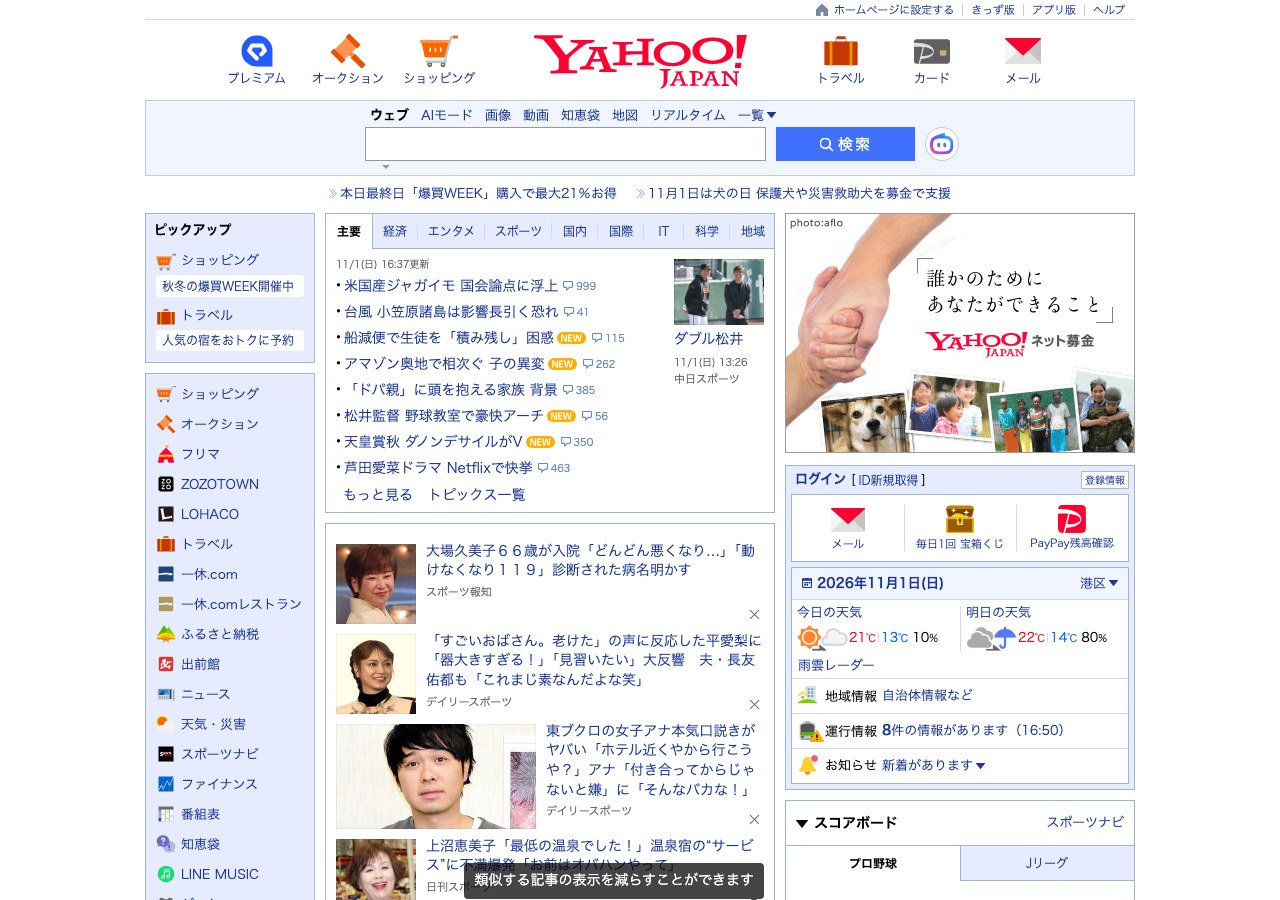
FIG. Yahoo! Japan is just like traveling in time.
Japanese trains are certainly an engineering marvel, but booking a ticket online isn’t quite the same experience. I remember using ChatGPT to figure out all the different fields and checkboxes I had to fill out. For example: “When boarding the train, you will need basic fare ticket or IC card such as Suica in addition to Super (Limited) Express Train ticket.” I thought I was buying a train ticket online. Why would I need another fare?!
Not to mention that Japan’s JR railway network is divided into six regional passenger companies: JR Hokkaido, JR East, JR West, JR Central, JR Shikoku, and JR Kyushu. They have different booking platforms, overlapping coverage, and different rules. And guess who needs to figure out which platform to use? The user.
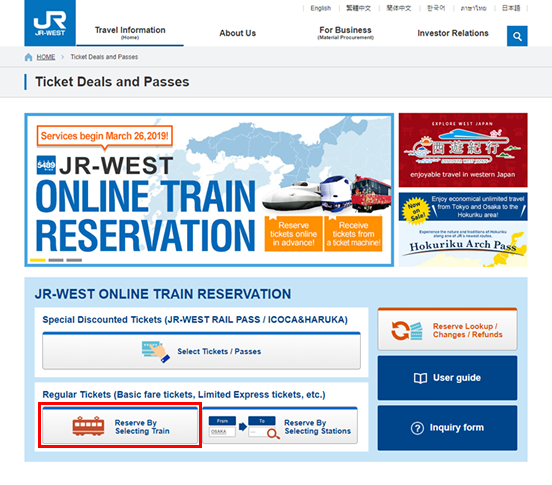
FIG. JR-West separates ticket booking into several paths and ticket types.
The most frustrating experience I had was booking a ticket online, only to get a message after confirmation: “You’ll need the physical credit card to retrieve your ticket at the station.” But of course, I had used a virtual credit card. So I had to cancel the booking, pay a fee of ¥560 per person, and rebook with a physical credit card.
So are Japanese user interfaces simply bad? I wouldn’t say so. Some of these differences might be explained by cultural preferences: familiarity over novelty, avoiding mistakes, preference for certainty, attention to detail, and resistance to change. What’s wrong with the 90s Yahoo look? “If it ain’t broke, don’t fix it.”
But there’s something else I noticed: the internal organization of a company tends to shape the software it builds. This is known as Conway’s Law. It’s usually discussed in the context of software architecture, where systems tend to mirror the communication structures of the teams building them. But apparently, the effect doesn’t stop at the backend.
Going back to my train booking experience, while I was asking for a ticket to go from A to B, the system was asking me which railway company operated that route. A clear example of organizational structure leaking into the user experience.
I understand why organizational structures influence software architecture. After all, software is built by people, and architectural decisions are as much about communication as they are about technology.
But should users have to understand how a company is organized just to use its software?
I don’t think so.
来源:Hacker News · vinibrasil.com